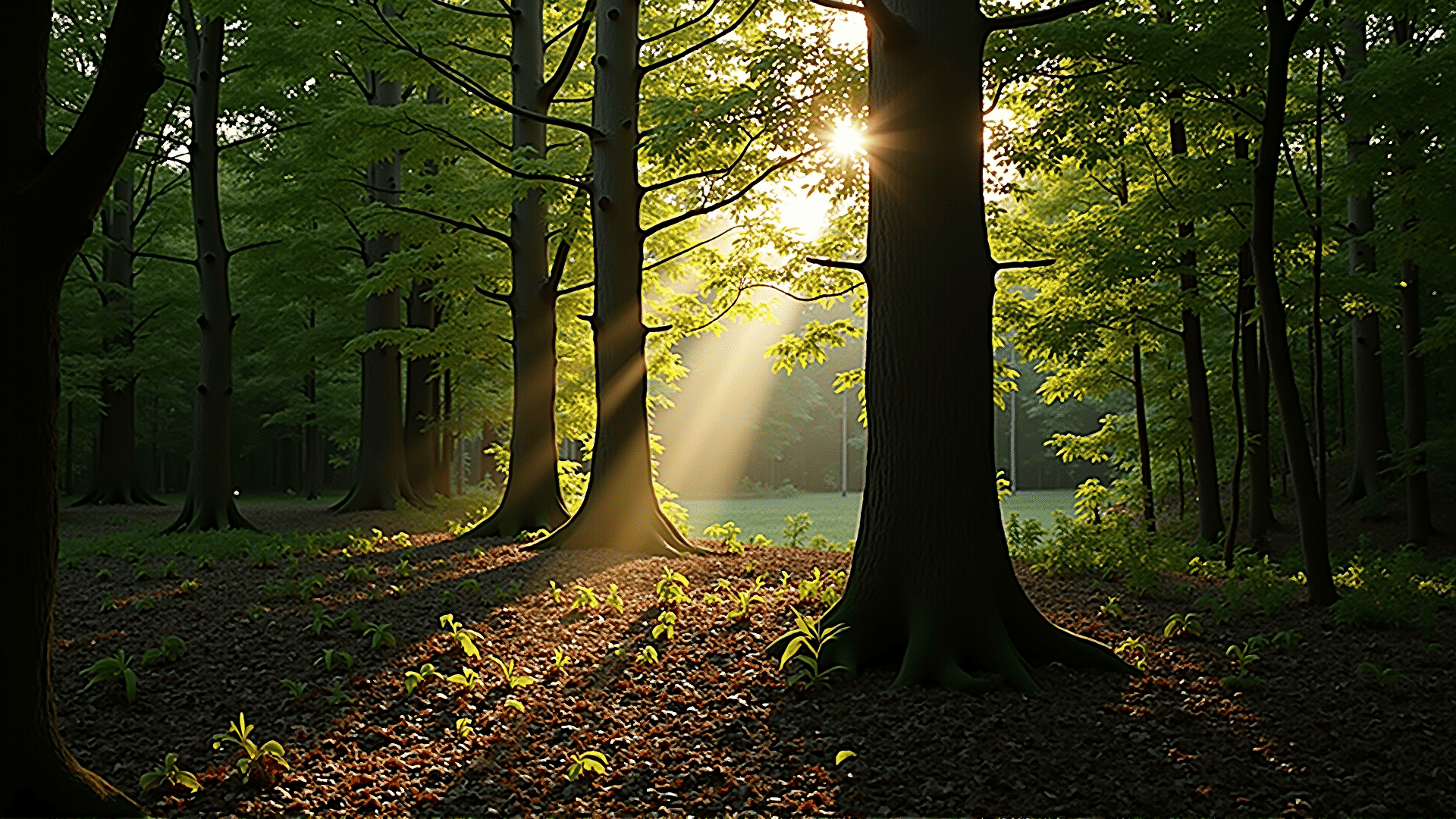
Exploring the captivating world of nature through a lens can be both exhilarating and challenging. The essence of this pursuit is to capture the beauty and magnificence of the natural world in a way that connects with the viewer. Two fundamental elements play a crucial role in achieving stunning visuals: lighting and composition. Understanding and mastering these can significantly enhance the outcome of your outdoor adventures.
Embracing Natural Light
Lighting is arguably the most critical aspect of capturing spectacular images of nature. Unlike indoor or staged settings, controlling light outdoors requires patience and adaptability. The mood, tone, and quality of an image heavily depend on the available light.
Golden Hour: This refers to the period shortly after sunrise or before sunset when the natural light is soft and warm. The long shadows and golden hues can add depth and dimension to your images, making it an ideal time for capturing landscapes and wildlife.
Blue Hour: Occurring just before sunrise and after sunset, the blue hour bathes the world in a cooler, bluish light. This can evoke feelings of calm and tranquility, offering a different perspective of familiar settings.
Overcast Days: While bright, sunny days may seem perfect, overcast skies provide diffused lighting that minimizes harsh shadows. This even lighting is excellent for capturing details in macro shots or when photographing moving subjects like animals.
Mastering Composition
Composition is about arranging elements within the frame to create a harmonious and engaging image. Along with lighting, it is essential for telling a visual story.
Rule of Thirds: Imagine your frame divided by two equally spaced horizontal and vertical lines. Placing the main subject along these lines or their intersections can create balanced and intriguing compositions, drawing viewers' eyes naturally across the image.
Leading Lines: Natural lines, such as riverbanks, paths, or tree lines, guide the viewer through the image. These lines add depth and can lead to the focal point, making the image more dynamic.
Framing: Use natural elements like branches, rocks, or leaves to frame the main subject. This technique adds context and can help focus attention where it's intended.
Patterns and Textures: Recognizing and highlighting the natural patterns and textures found in landscapes or among flora and fauna can produce compelling images. These elements add interest and can enhance the visual appeal.
Building Experience
Practice is vital in honing your ability to use lighting and composition effectively. Spend time in various environments and conditions to understand how different lighting affects your images. Experiment with angles, distances, and camera settings to discover what works best for your vision.
Additionally, analyzing the work of seasoned professionals can provide insights and inspiration. Take note of how they use light and structure their compositions. This understanding can then inform your creative decisions and help in developing a distinctive style.
Conclusion
Mastering the art of capturing the natural world requires patience, practice, and a deep connection with the environment. By focusing on lighting and composition, you can create visual stories that not only depict the beauty of nature but also resonate with those who view your work. Keep exploring, keep experimenting, and most importantly, always remain open to the wonders that await in the great outdoors.