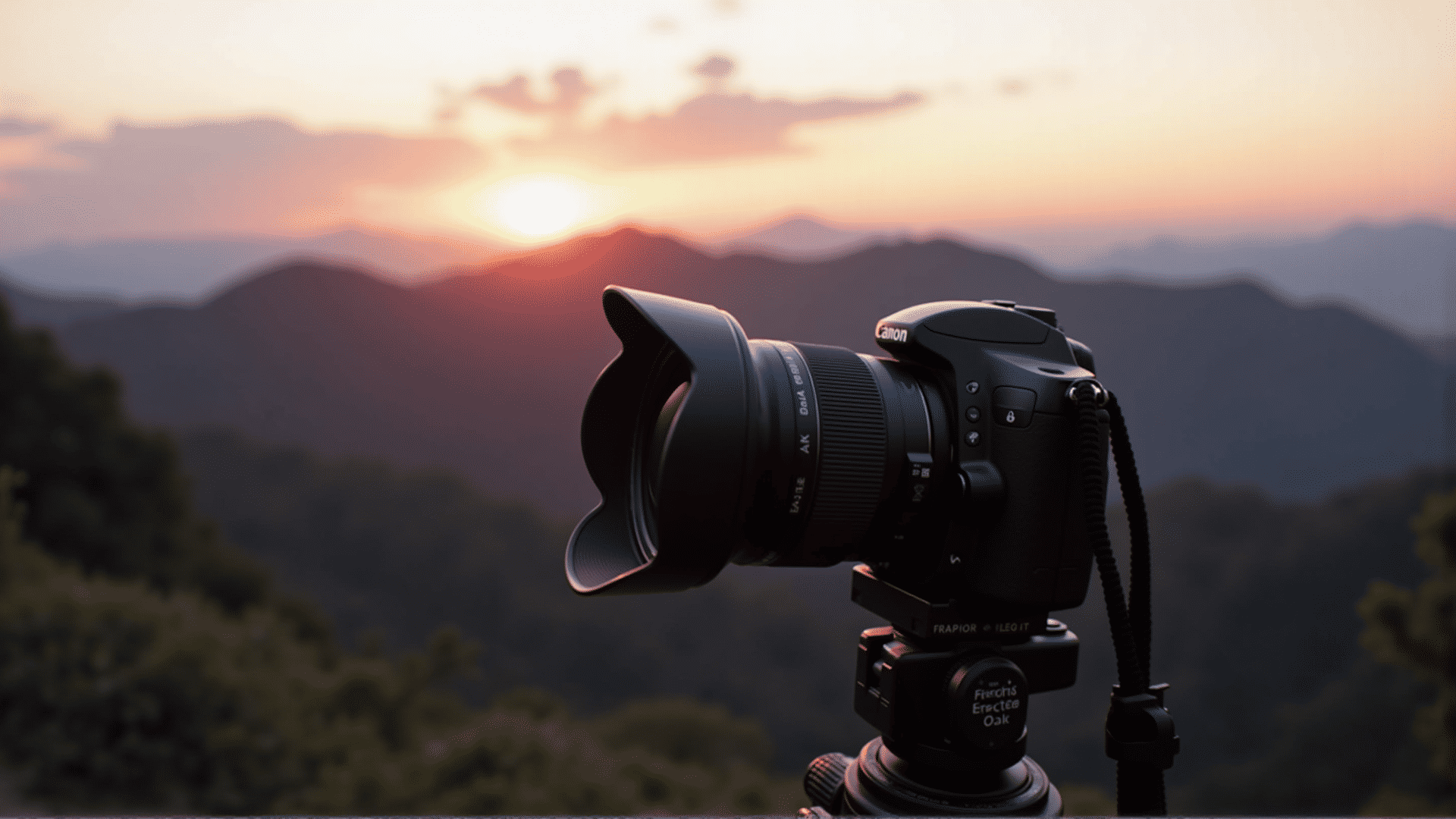
Digital photography has become an integral part of our lives, offering accessibility and creative opportunities to capture the world around us. Whether you're a beginner looking to document your daily adventures or aiming to improve your skills, understanding the fundamentals is key. Let's explore the core principles that will help you create remarkable digital images.
Understanding Camera Settings
The starting point of mastering digital imaging involves familiarizing yourself with the camera's various settings. The automatic mode is convenient, but taking control of manual settings allows for more artistic expression. Key settings to consider include:
-
Aperture: This controls the size of the lens opening, affecting the depth of field. A large aperture (small f-number) creates a blurred background, ideal for portraits. A small aperture (large f-number) keeps more of the scene in focus, perfect for landscapes.
-
Shutter Speed: This determines how long the camera's shutter stays open. Fast shutter speeds capture sharp, fast-moving subjects, while slower speeds can create a motion blur effect, adding a dynamic feel to images.
-
ISO: This measures the camera sensor's sensitivity to light. Lower ISO settings are suitable for brightly lit conditions, while higher ISO settings help capture images in low light but may introduce noise.
Composition Techniques
Composition plays a vital role in transforming an ordinary scene into a compelling image. Here are some fundamental techniques to enhance the visual appeal:
-
Rule of Thirds: Imagine dividing your frame into a three-by-three grid. Placing subjects along these lines or their intersections creates balance and draws the viewer’s attention.
-
Leading Lines: Use elements such as roads or rivers to guide the viewer’s eye through the image. These lines can create depth and invite exploration.
-
Framing: Employ natural or architectural elements to frame your subject. This technique adds context and focus, making the subject stand out.
-
Simplicity and Negative Space: Avoid cluttering your frame with too many subjects. Use negative space to highlight your main subject and convey a clean, powerful message.
Lighting Essentials
Lighting is crucial in digital imagery and can dramatically alter the mood and effectiveness of your photos. Here’s what to keep in mind:
-
Natural Light: The golden hours shortly after sunrise and before sunset offer soft, warm light ideal for capturing landscapes and portraits.
-
Artificial Light: Experiment with different light sources and angles to create interesting shadow effects and highlights.
-
Avoiding Shadows and Overexposure: Be mindful of where light and shadows fall to maintain detail in both bright and dark areas.
Post-Processing for Enhancement
While capturing a good photo is essential, post-processing offers the chance to polish your images further. Basic adjustments such as cropping, color correction, and sharpening can make a significant difference, but it’s vital to maintain a balance to avoid an unnatural look.
In conclusion, digital imaging is a satisfying adventure that blends technical knowledge with creativity. By mastering your camera settings, employing effective composition techniques, using light wisely, and refining your images through post-processing, you can elevate your craft and capture the world with artistry and skill.