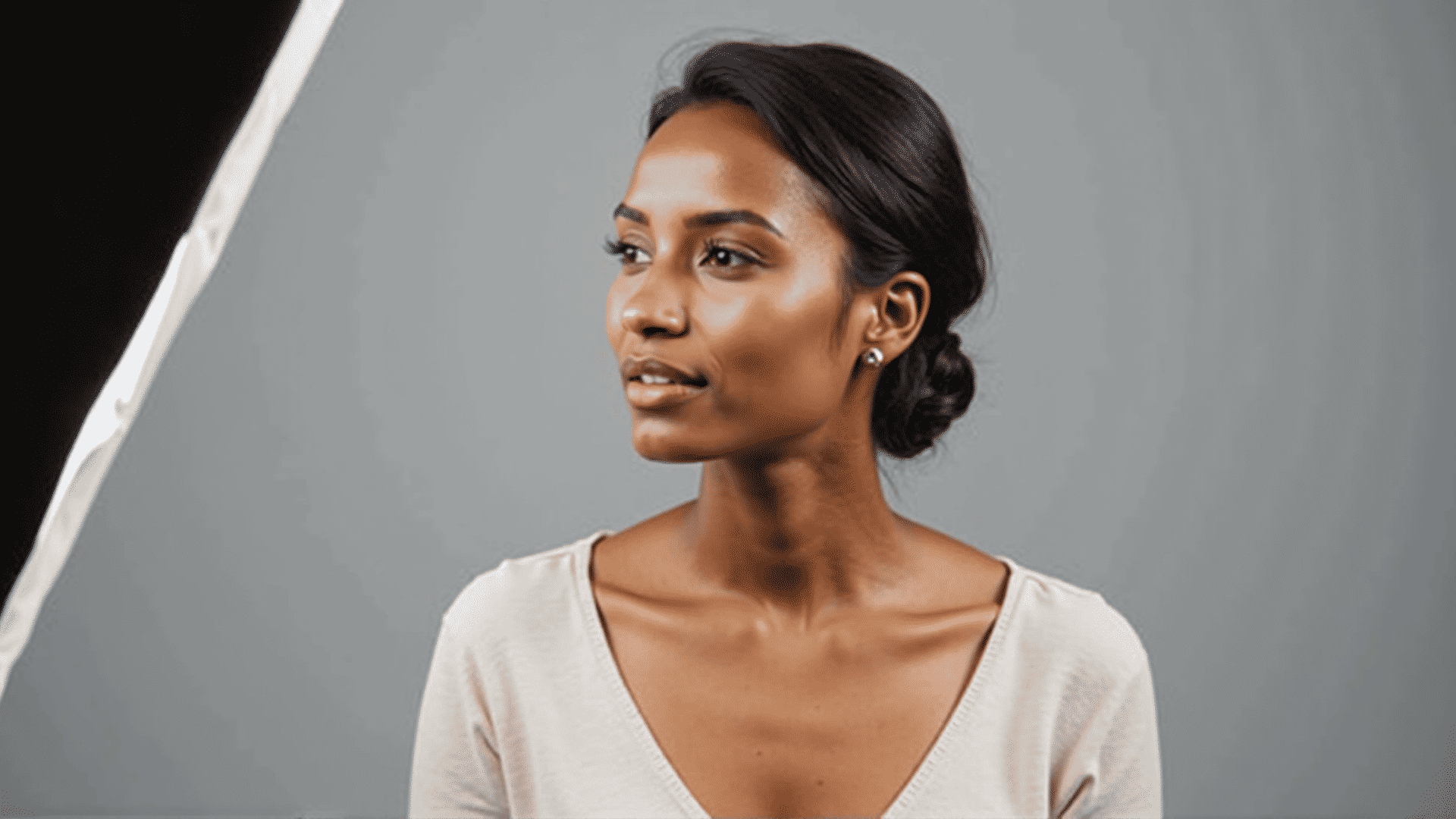
Capturing stunning portraits requires more than just a good camera. It’s about understanding the art of storytelling through images, conveying emotion, and creating a connection between the subject and the viewer. Here are some insightful tips to help you refine your portrait skills.
Understanding Light
Light is arguably the most crucial aspect of any portrait. Whether using natural or artificial light, its quality and direction can dramatically influence the mood and tone of your image.
-
Soft vs. Hard Light: Soft light, such as that from a cloudy day or a carefully positioned reflector, creates gentle transitions in shadows and highlights, often leading to more flattering portraits. Hard light, while more dramatic, can be used creatively to emphasize texture or convey a certain mood.
-
Golden Hour: The hour after sunrise and before sunset provides warm, soft lighting that is ideal for portrait work. This type of light casts a beautiful glow on skin tones and adds depth to your images.
Mastering Composition
The way you frame your shot is paramount to creating a compelling portrait.
-
Rule of Thirds: Position your subject off-center to create a more interesting composition. Aligning the eyes or face along the grid lines can add balance and intrigue to your image.
-
Leading Lines: Use natural lines in the environment to guide the viewer’s eye to your subject. Whether it’s a pathway, the edge of a building, or a fence, lines draw attention and add depth to your portrait.
Capturing Emotion
Emotion is the heart and soul of a portrait. To capture authentic expressions, build rapport with your subject to make them comfortable. Engage them in conversation, ask questions, or encourage them to think about meaningful moments to elicit genuine emotions.
- Candid Moments: Often the most captivating portraits come from unposed, candid moments. Be ready to capture the unexpected expressions and interactions that reveal true personality.
Exploring Angles
Different angles can drastically alter the perception of a portrait.
-
Eye Level: Shooting at eye level is classic and often the most engaging way to photograph a subject, creating a sense of equality and intimacy.
-
High and Low Angles: Experiment with shooting from above or below the subject to add drama or to emphasize certain features. A high angle can make the subject appear more delicate, while a low angle can convey strength and dominance.
Making Use of Backgrounds
The background of a portrait can complement or distract from the subject.
-
Simple vs. Complex: Ensure that the background doesn’t compete with the subject. Simple backgrounds often highlight the subject better, while a well-chosen complex background can provide context to the story.
-
Blur the Background: Achieving a shallow depth of field can separate your subject from their surroundings, focusing the viewer’s attention on their expression or features.
Practical Tips
-
Use Reflectors: These can be used to bounce additional light onto your subject, filling in shadows and creating a more even light distribution across the face.
-
Experiment with Props: Props can add an additional layer to the story you’re telling. Choose meaningful items that complement the subject’s personality or interests.
-
Post-Processing: Editing is a powerful tool that can enhance the emotion and story of your portrait. Adjusting elements such as exposure, contrast, and color balance can turn a good photo into a great one.
Conclusion
By mastering lighting, composition, emotion, angles, and backgrounds, you can transform your portraits from ordinary snapshots into powerful stories. Remember, every subject is unique, and every portrait should reflect that individuality. With practice and creativity, you can develop a unique style that resonates with your audience and creates an emotional connection through your images.